Archives

  • Vol. 3 No. 1 (2026)

    Volume 3, Number 1 (February 2026) of the Journal of Biomedical Sciences and Health (JBSH) features a diverse collection of scholarly works, including original research articles, a narrative review, and a systematic review.

    The overarching theme of this issue highlights Multidisciplinary Approaches in Applied Microbiology, Environmental Health, and Public Health Interventions. The published articles explore a wide range of vital topics, from the potential of probiotics and the metagenomic mining of novel antimicrobials to environmental phytoremediation and the evaluation of clinical oncology services.

    Through this publication, JBSH aims to provide valuable insights and foster further advancements in the biomedical and health sciences community.

  • Vol. 2 No. 2 (2025)

    Volume 2, Number 2 (August 2025) of the Journal of Biomedical Sciences and Health (JBSH) presents a compelling collection of research articles emphasizing marine bio-resources, food microbiology, and applied clinical interventions.

    The overarching theme of this issue highlights Biomaterials Exploration, Applied Microbiology, and Maternal-Child Health. The featured studies delve into the characterization of collagen and the antibacterial properties of skipjack tuna bone extracts, the isolation of GABA-producing lactic acid bacteria from traditional fermented foods, and the clinical impacts of therapeutic massage on infant physical growth.

    Through these rigorous studies, JBSH continues its dedication to publishing innovative research that bridges the gap between basic laboratory sciences and applied health disciplines.

  • Vol. 2 No. 1 (2025)

    Volume 2, Number 1 (February 2025) of the Journal of Biomedical Sciences and Health (JBSH) brings together a diverse collection of impactful research with a strong focus on neurocognitive health, natural product therapies, and clinical diagnostics.

    The overarching theme of this issue highlights Integrative Health Approaches, Cognitive Care, and Natural Biomaterials. The featured articles explore innovative diagnostic biomarkers for Alzheimer's disease, cognitive stimulation therapies for the elderly, and the clinical efficacy of aromatherapy (citrus and peppermint) for various health conditions. Additionally, this issue delves into the therapeutic potential of natural extracts, including Astaxanthin, caffeine isolation methods, and marine-derived biomaterials for burn wound healing.

    Through these comprehensive studies, JBSH aims to foster continuous innovation in evidence-based biomedical research and integrative clinical interventions.

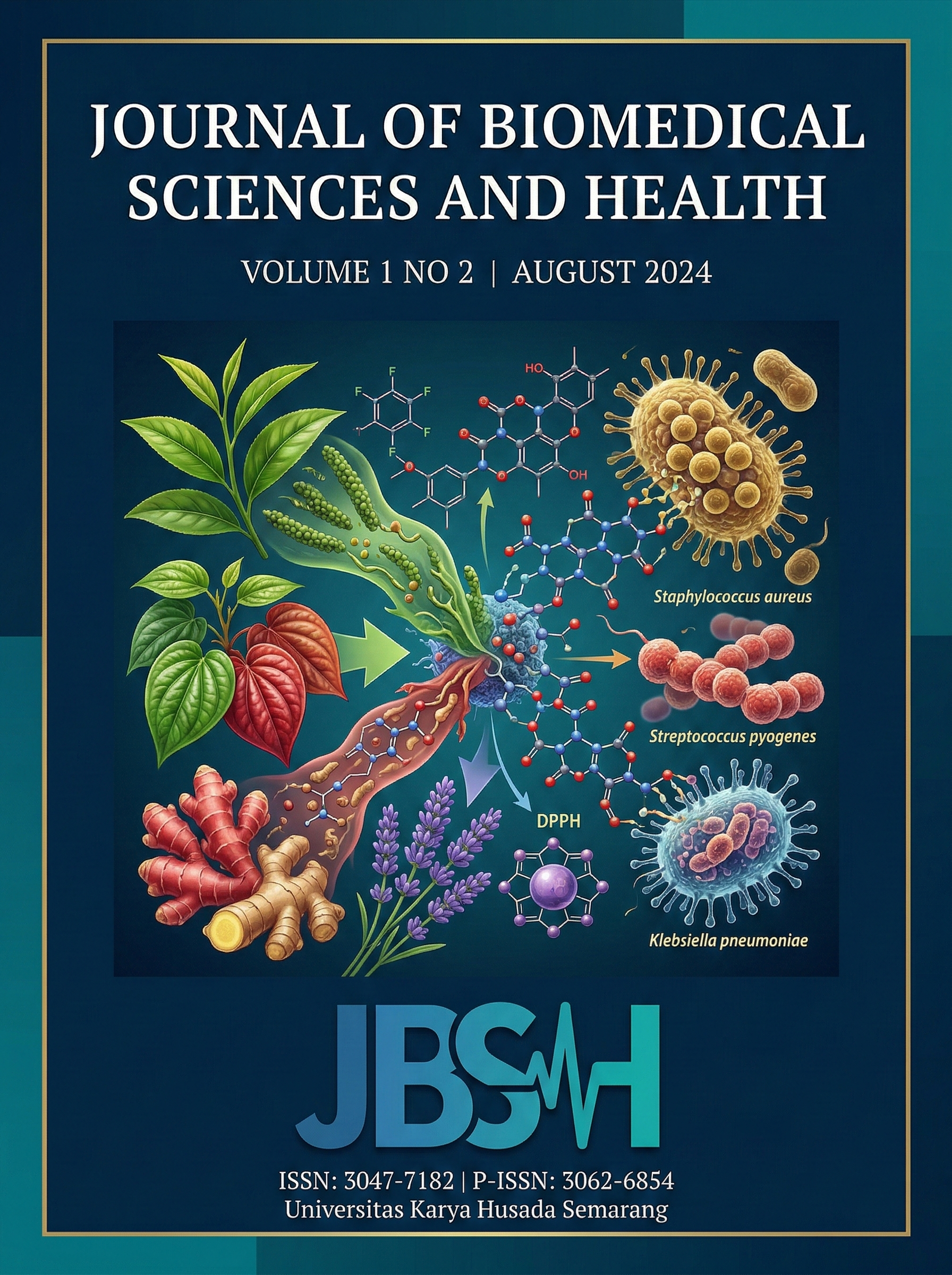
  • Vol. 1 No. 2 (2024)

    Volume 1, Number 2 (August 2024) of the Journal of Biomedical Sciences and Health (JBSH) presents a compelling collection of research articles emphasizing natural product exploration, phytotherapy, and complementary maternal care.

    The overarching theme of this issue highlights Complementary Therapies and Phytochemical Research in Health Sciences. The featured studies rigorously investigate the antibacterial and antioxidant properties of various natural extracts—including green tea, green and red betel leaves, and red ginger—against common clinical pathogens. Furthermore, this issue explores the practical application of complementary interventions, such as oxytocin massage, petrissage massage, and lavender aromatherapy, aimed at improving health outcomes and comfort for pregnant and postpartum women.

    By highlighting the intersection of traditional natural remedies and evidence-based clinical practice, JBSH remains committed to disseminating impactful knowledge that enriches the diverse fields of biomedical and health sciences.

  • Vol. 1 No. 1 (2024)

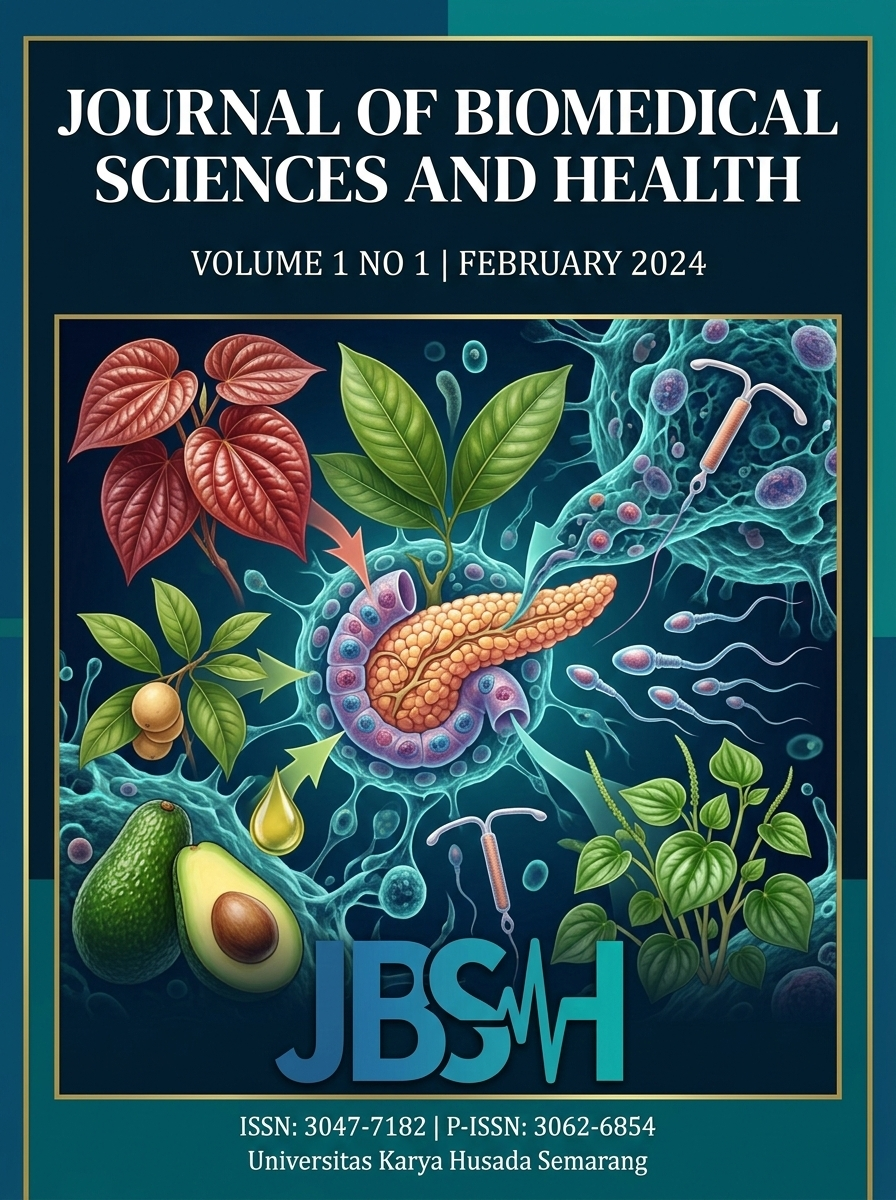
    We are honored to present the inaugural issue, Volume 1, Number 1 (February 2024), of the Journal of Biomedical Sciences and Health (JBSH).

    This foundational issue marks the beginning of our mission to provide a robust platform for evidence-based discoveries in the health sciences. The research featured in this premier publication focuses on the synergy between Ethnobotany, Experimental Biology, and Reproductive Health. Highlights of this edition include histopathological studies on red betel leaf for diabetes, the exploration of langsat leaf extract as a natural mosquito repellent, and ethnobotanical mapping of the Peperomia pellucida plant. Furthermore, this issue addresses critical topics in reproductive health, such as the protective effects of avocado juice on spermatozoa quality and the evaluation of educational media in contraceptive decision-making.

    As our first step, JBSH remains committed to disseminating impactful knowledge that bridges the gap between traditional herbal medicine and modern clinical practices.